Economies of Deferral.
Economies of Deferral
Fiona Clark, Matthew Galloway, Ngahuia Harrison, Ho Rui An, Darcy Lange and John Miller
Govett-Brewster Art Gallery | Len Lye Centre, New Plymouth
8 August – 15 November 2026
Curated by Simon Gennard
Economies of Deferral traces a story of development and abandonment from within Aotearoa’s energy industry, gathering artists from Taranaki, Aotearoa and abroad whose work spans the 1980s to the present. My contribution extends a long-term inquiry into the Think Big projects initiated under Robert Muldoon’s National Government (1975–84)—conceived to build self-reliance for the nation’s energy needs in the face of the oil crises of the 1970s, and casting a long shadow into the present.
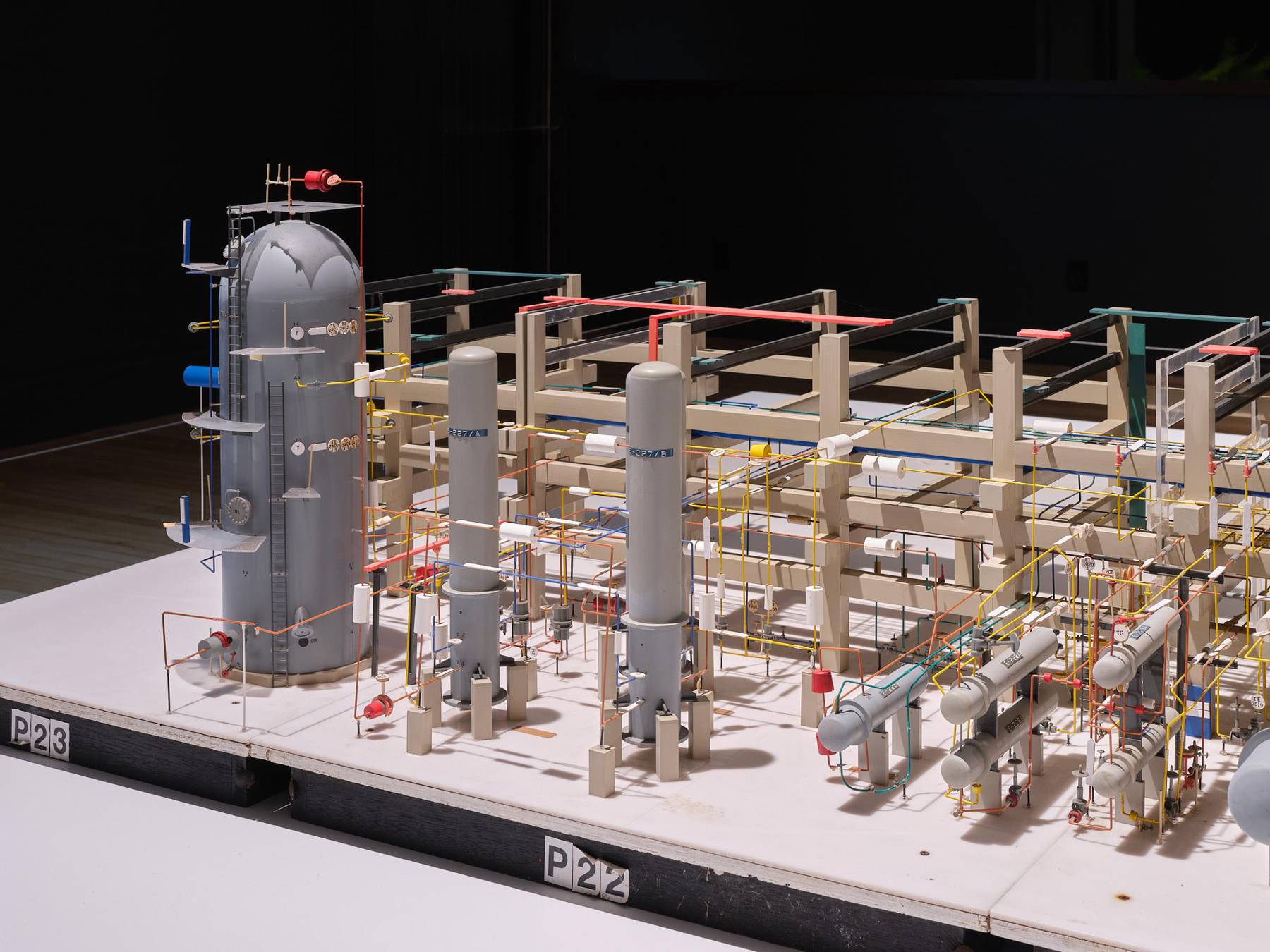
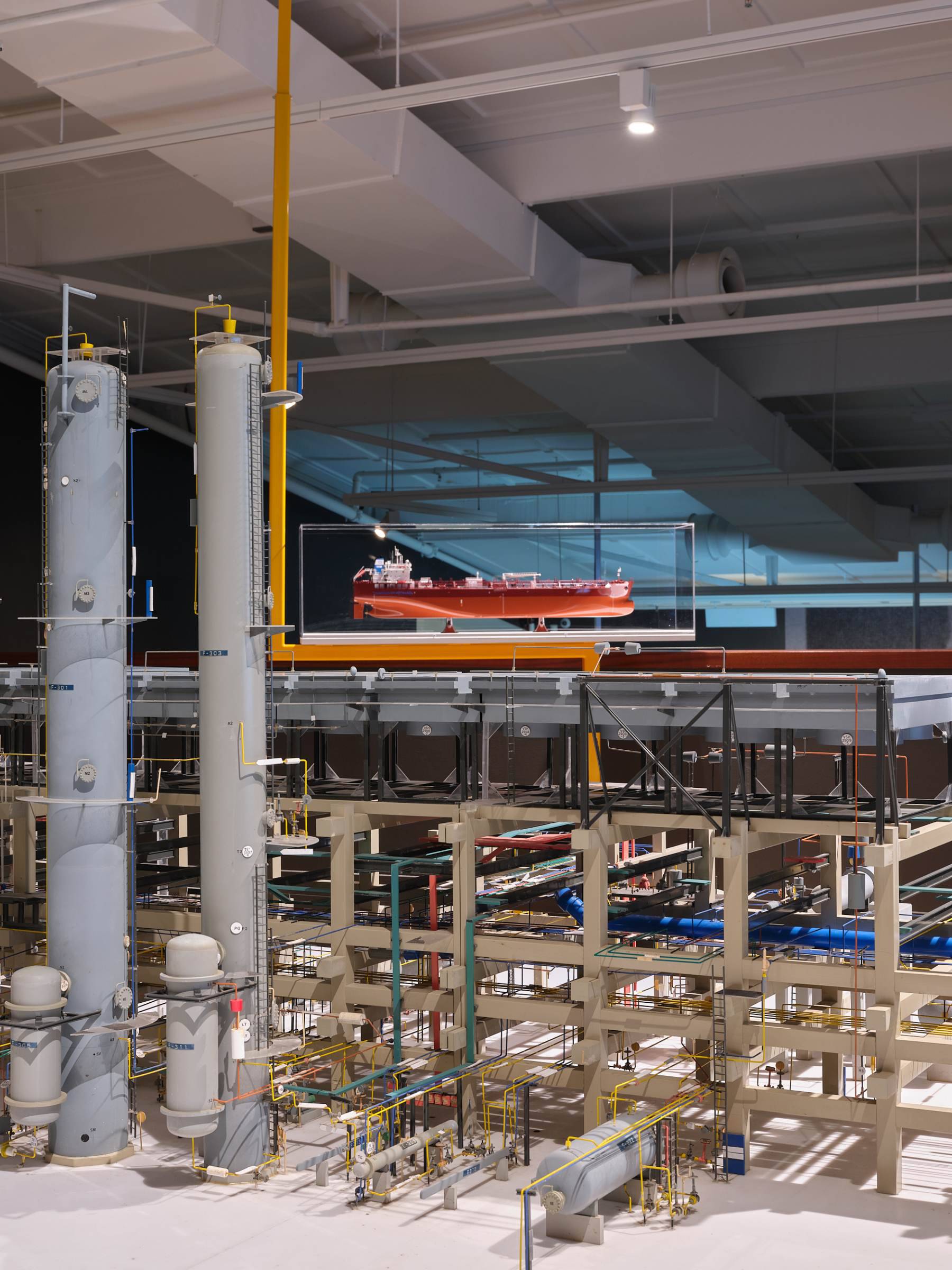
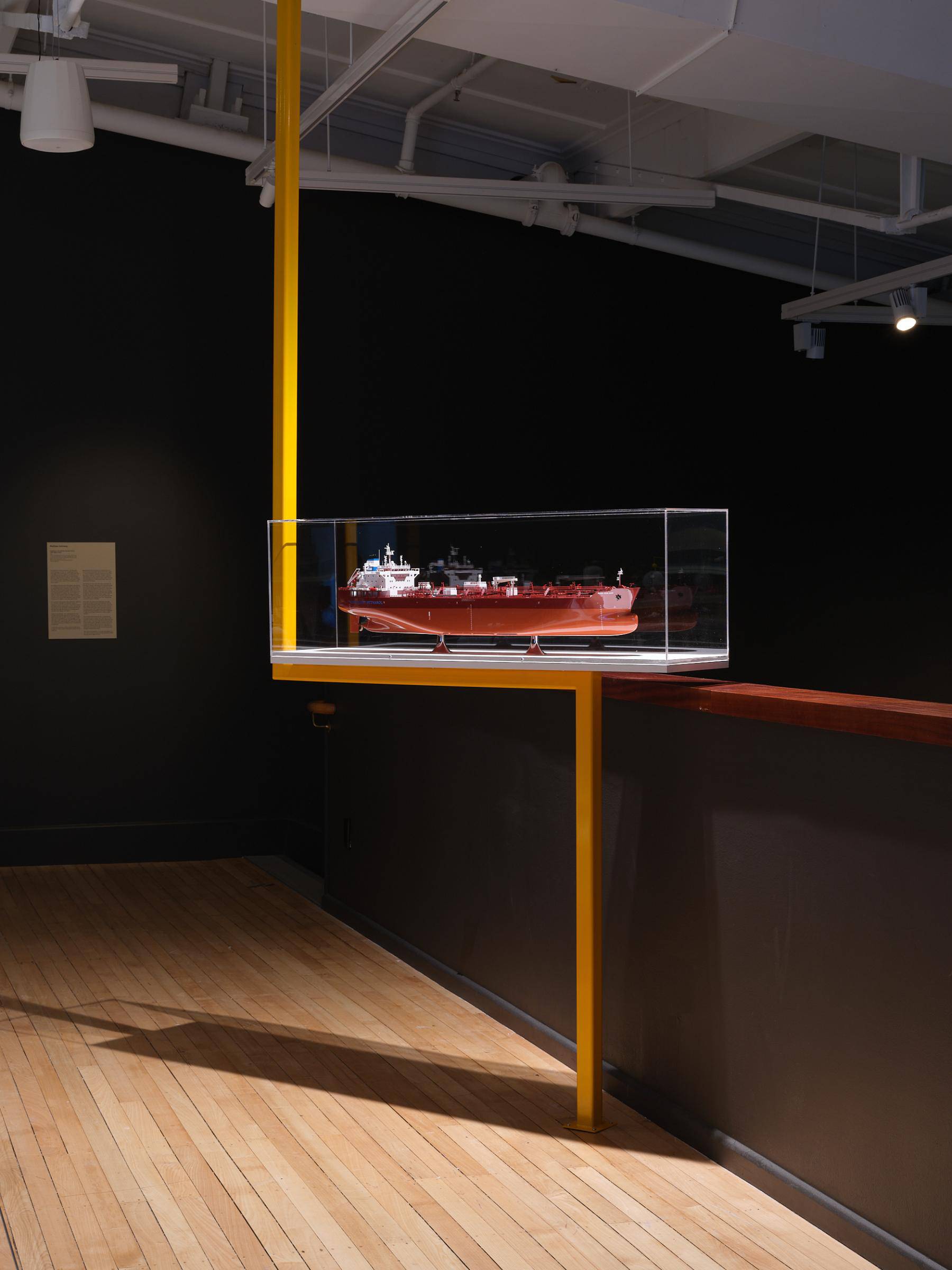
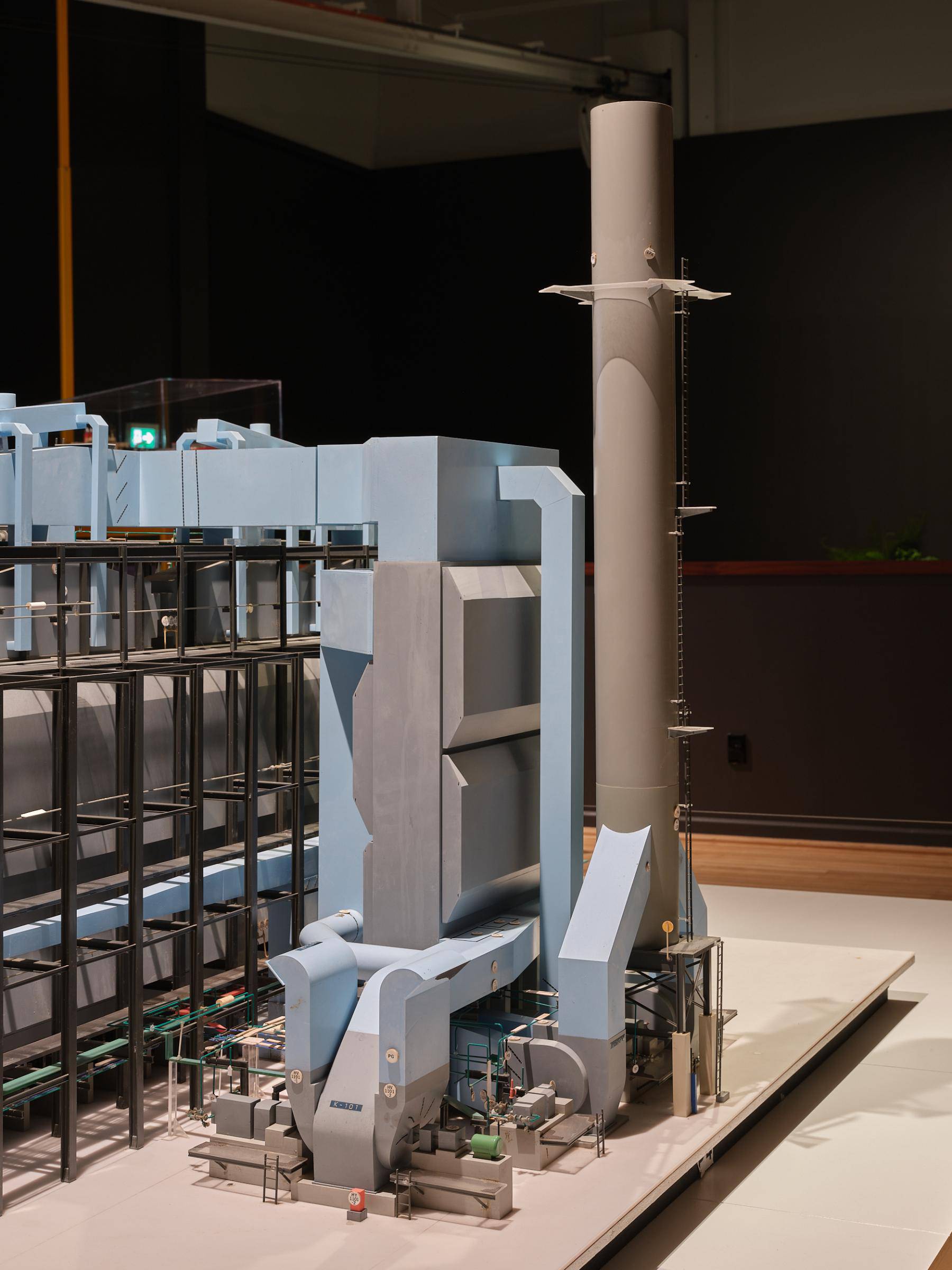
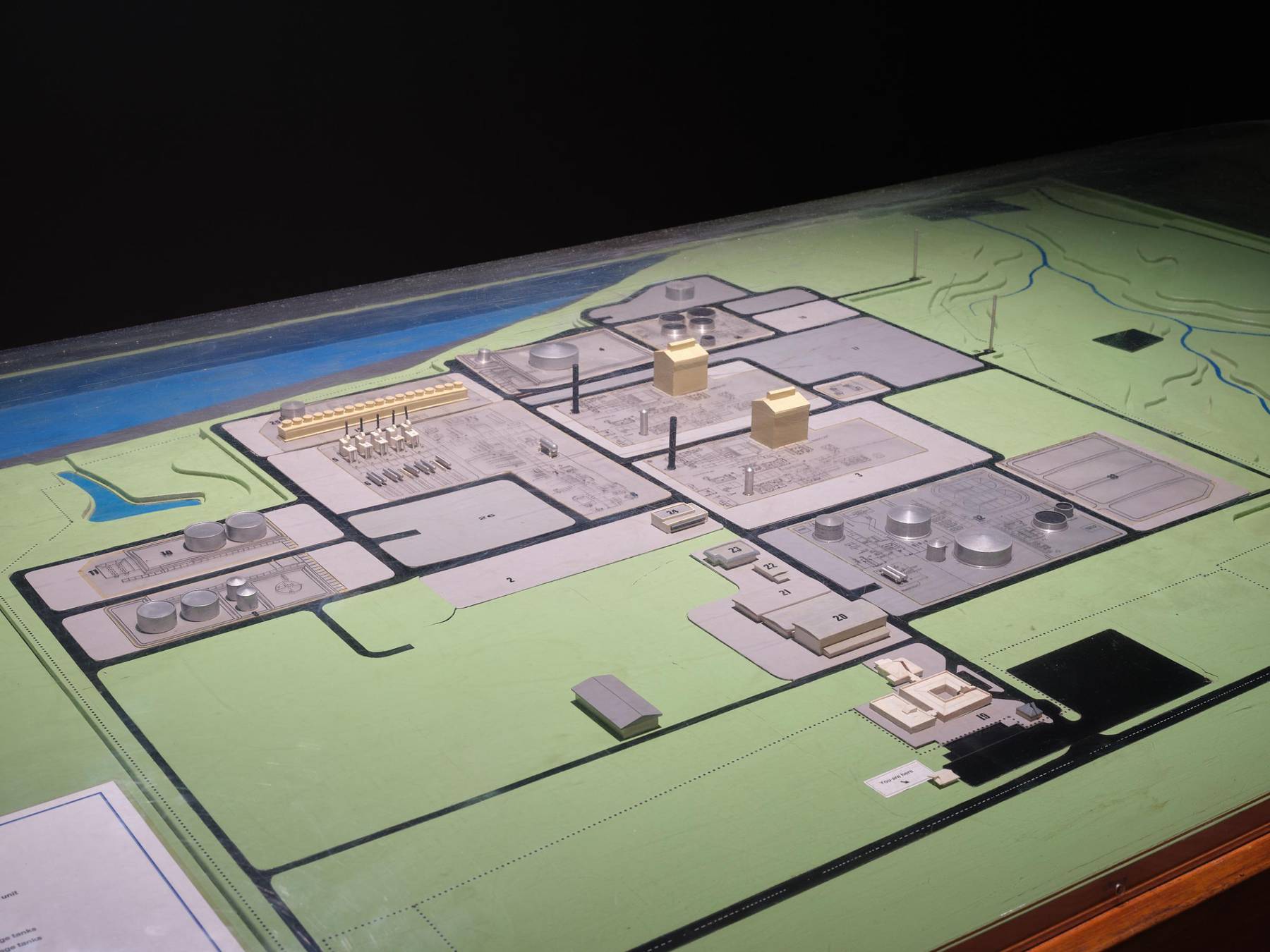
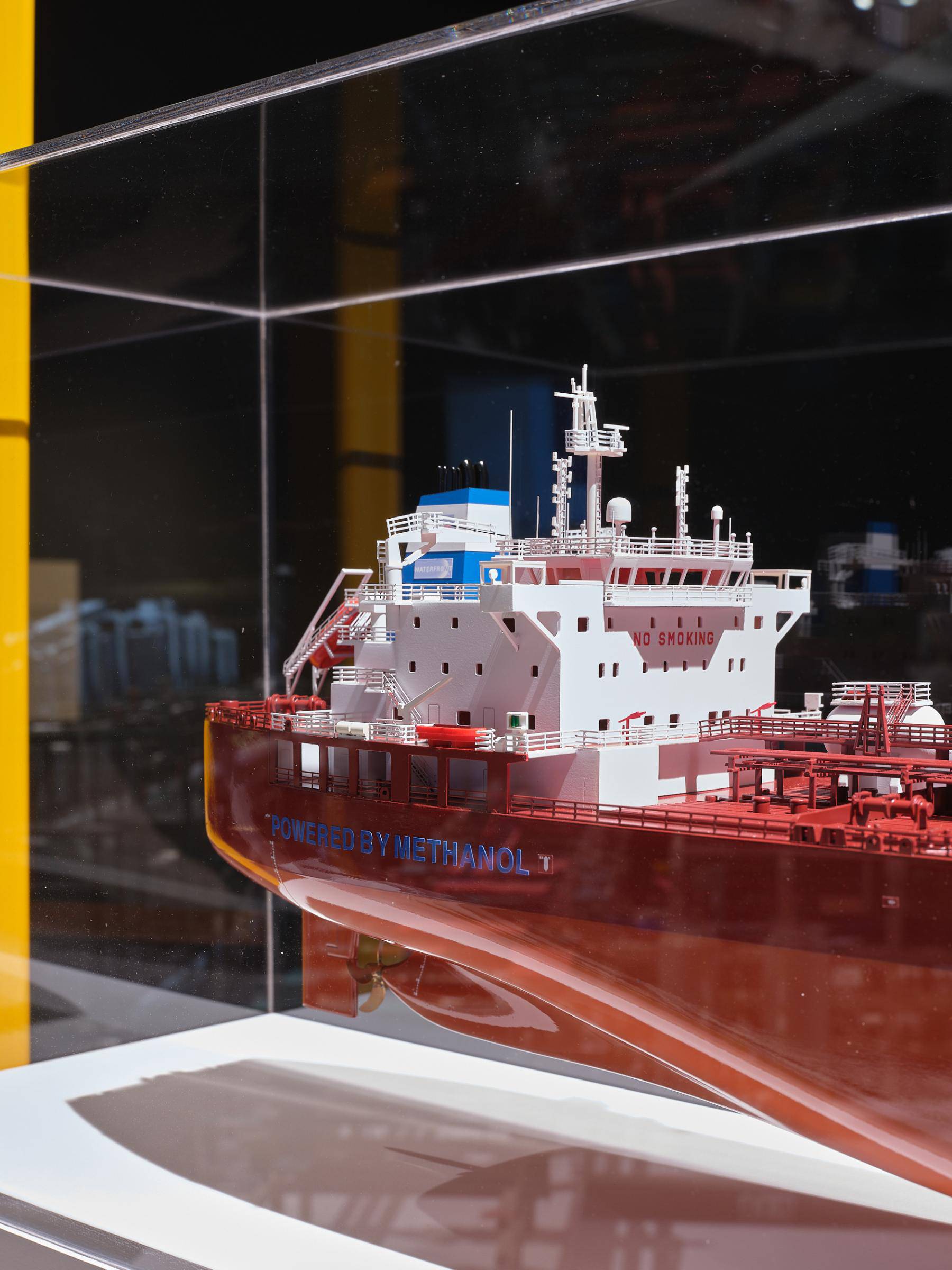
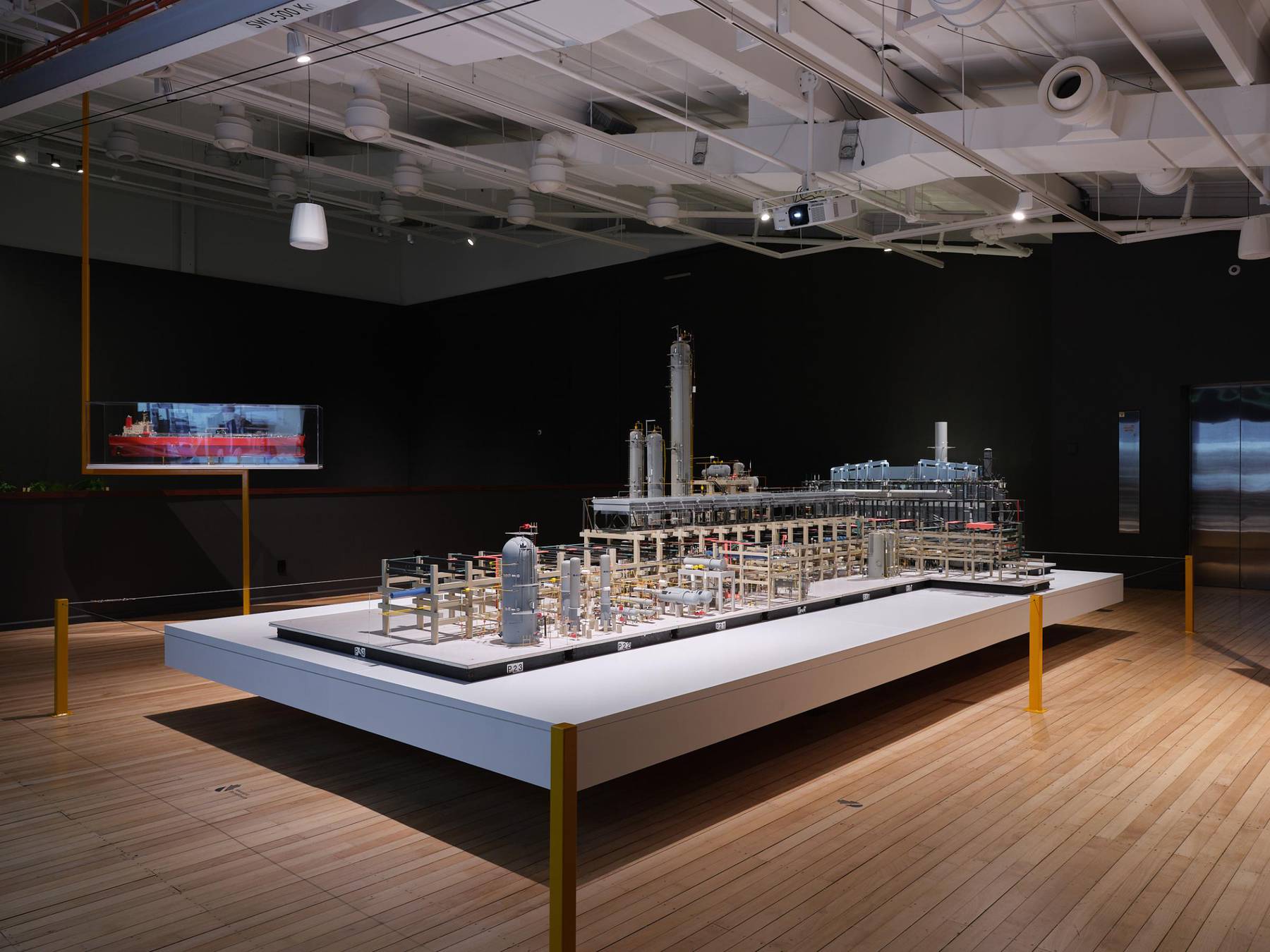
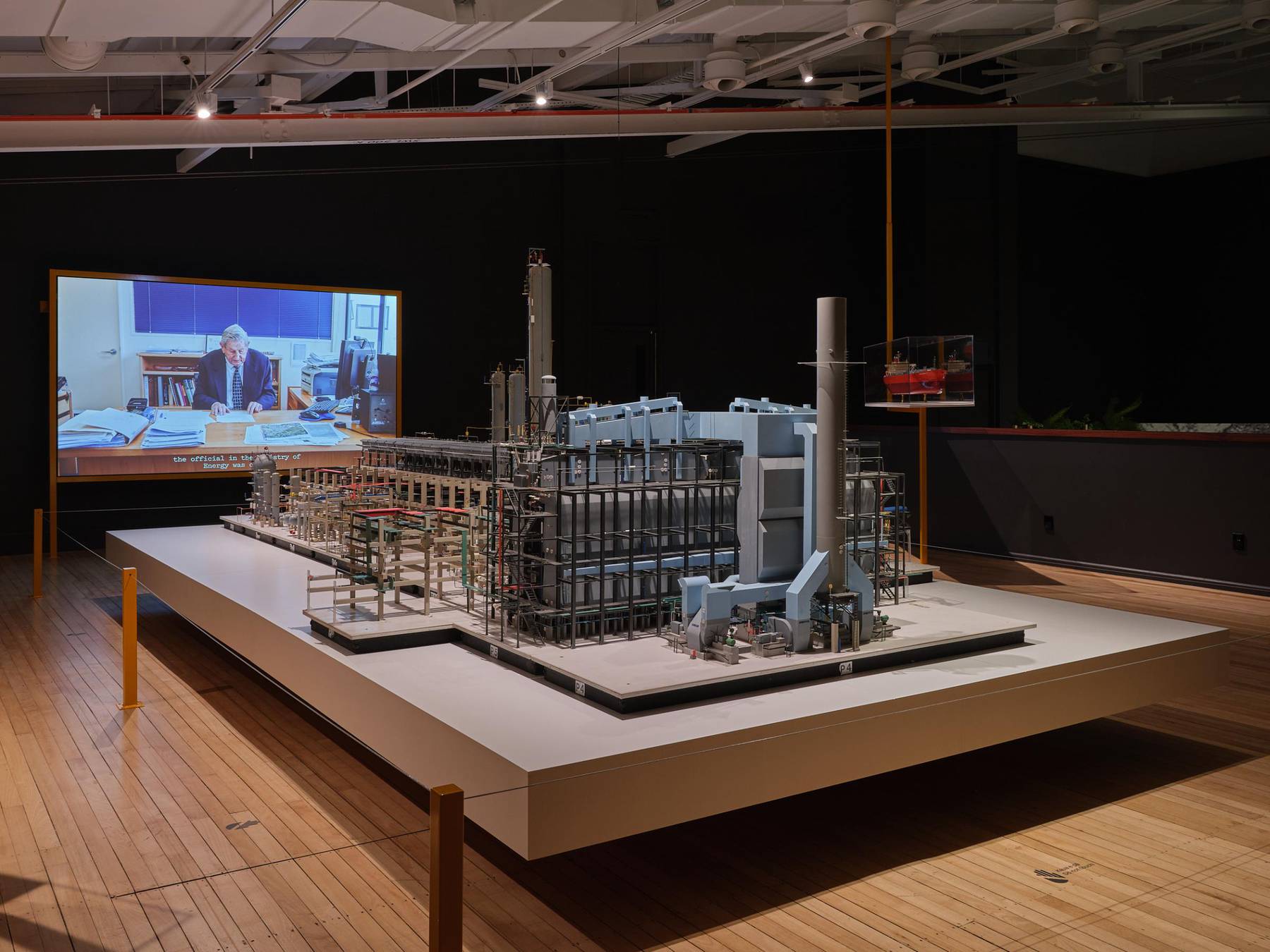
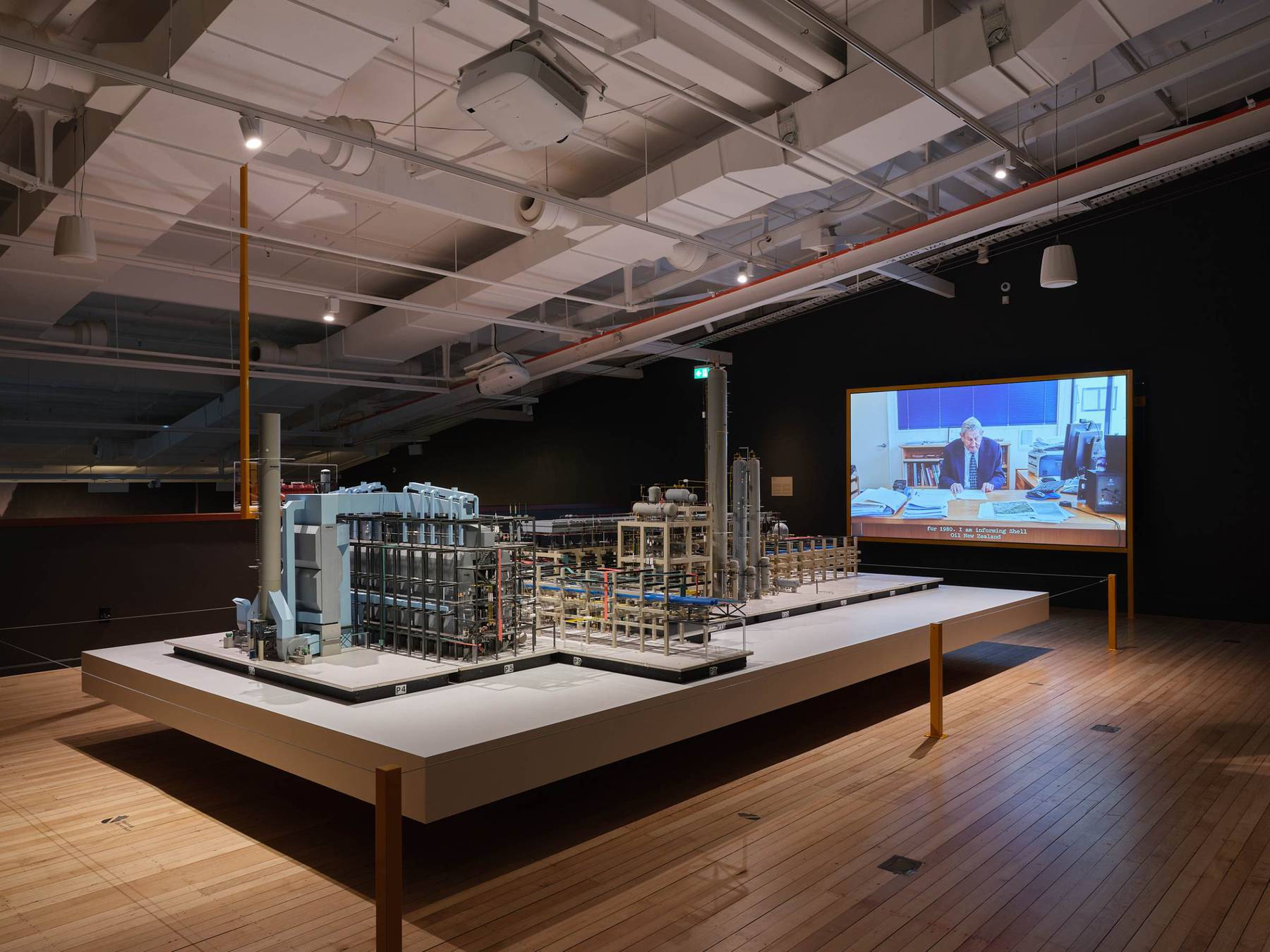
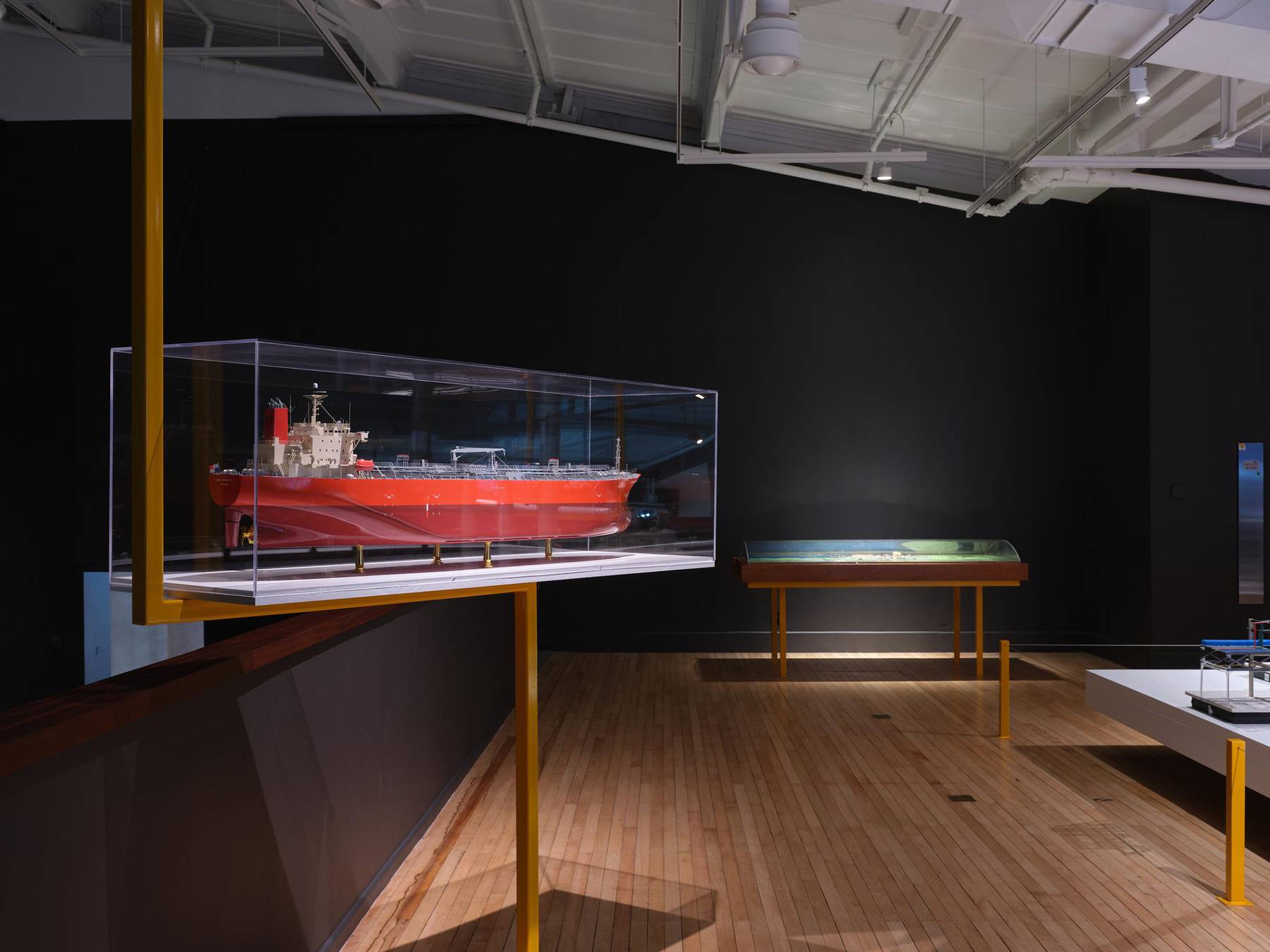
Fragments of the Motunui Synthetic Petrol Plant Visitor Centre, 2026
Materials: Waitara Valley Methanol Plant Model, plastic, wood, model produced c. 1981; Mari Kokako Model, metal, plastic; Cabo Negro Model, metal, plastic; Motunui Synthetic Petrol Plant Aerial Site Plan model, wood, plastic, metal, model produced c. 1981
Models from the collection of Methanex New Zealand Ltd.
Fragments of the Motunui Synthetic Petrol Plant Visitor Centre examines the Motunui Synthetic Fuels Plant, a centrepiece of Think Big. A colossal undertaking that required new roads and bridges to carry components to the site, the plant was heralded as a world first, intended to supply a third of the country’s petroleum needs by converting natural gas from the Māui field first to methanol, then to synthetic petrol. Opened in 1986, its synthetic petrol facilities closed in 1999 after a fall in petrol prices, with parts dismantled and sent to Japan to be scrapped; the plant has continued to produce methanol since.
The models that make up the installation were loaned by the site’s current owner, Methanex, from the plant’s visitor centre, closed to the public since 2018; this is the first time they have been seen by an audience since. Their displacement into the gallery through a process of negotiation gestures to the difficulty of capturing the region’s energy story within a stable narrative.
Marvels of craftsmanship and engineering, the models also contain much more: they represent a source of income, prosperity, identity and civic pride for many in the region; they illustrate how political power operates in moments of crisis to smooth the path for radical initiatives; they embody a solution to a problem that entraps us in a dependency on fossil fuels, knowing their benefit is finite; and they stand as objects of dissent and protest.
Considering these objects in a new context becomes a rehearsal towards narrating a history that may not be ready to be told.
From the Minister of Energy, 2026
Materials: HD digital video, 17:00
Director of Photography: Grant Priest
From the Minister of Energy features a 91-year-old Sir Bill Birch reading aloud letters he sent to individuals more than four decades earlier, during the carless days scheme, which ran from July 1979 to May 1980. As Minister of Energy from 1978 to 1984, Birch oversaw the implementation of carless days and many of the Think Big projects.
Filmed in his Pukekohe office, where Birch continued to work as a surveyor until 2026, the former minister’s personable, yet official, responses to questions, complaints and requests for exemption reveal moments of strange intimacy between the state and its subjects, and the myriad ways crisis makes itself known at the scale of everyday life.
In conversation in preparation for the work, Birch remained confident in the political decisions made during the period: “I don’t think we made a bad decision.” Birch died in July 2026.